Jeep Wave, Jeep Ducks, and Jeep Names: Inside Jeep Ownership Culture
Naming your Jeep doesn't happen in isolation — it's one piece of a whole ecosystem of small, mostly unwritten rituals that make Jeep ownership feel different from owning any other vehicle. If you're new to the community, here's how the naming tradition fits alongside the other two big ones: the Jeep wave and Jeep ducking.
The Jeep Wave
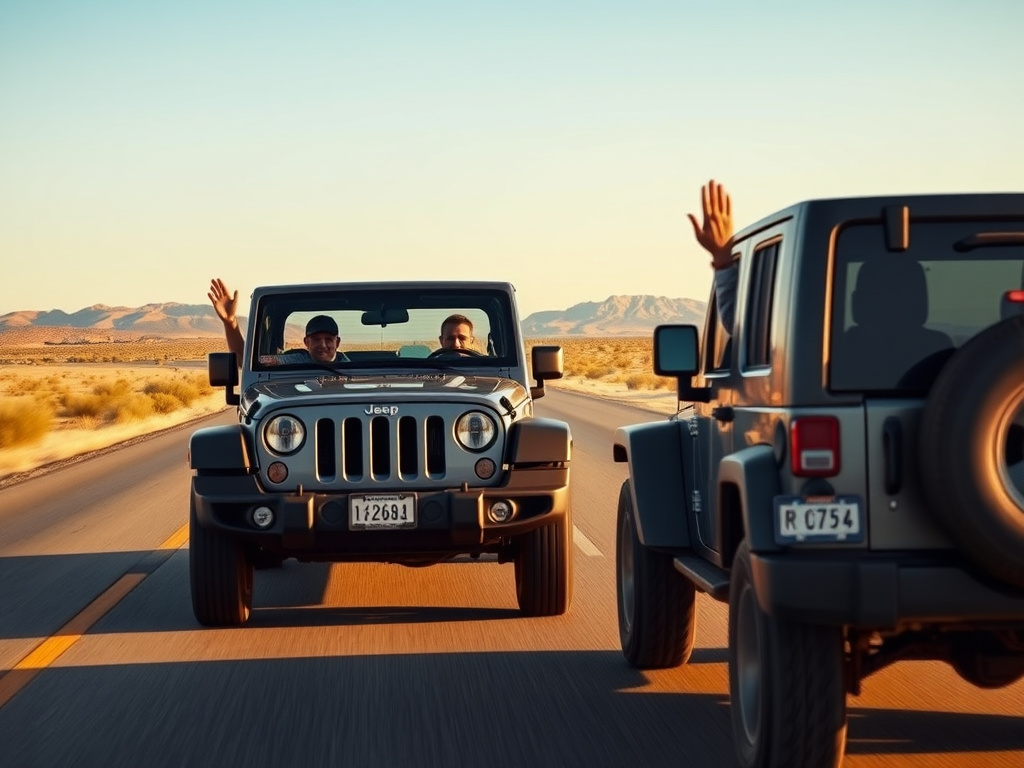
The Jeep wave is exactly what it sounds like: Jeep drivers wave at each other when they pass on the road, whether or not they know each other. It's informal, it's not universal (plenty of drivers skip it in heavy traffic or bad weather), and there's a whole loose etiquette around it — some owners wave at every Jeep, some only wave at Wranglers and Gladiators, some only wave off-road. None of it is official. It's just a habit that spread because enough owners decided the gesture was worth keeping.
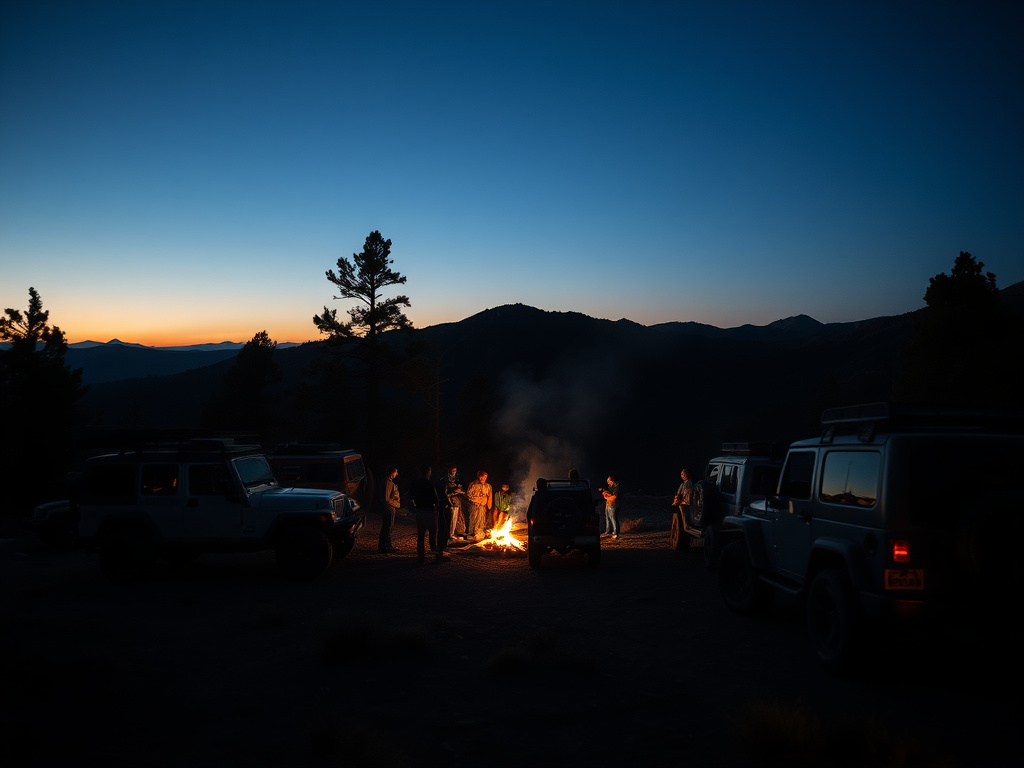
The connection to naming is more about mindset than mechanics. Both traditions come from the same underlying idea: owning a Jeep means opting into a loose, informal community with its own rituals, most of which nobody ever wrote down or enforces. A name reveal post gets the same kind of engagement in Jeep groups that a good wave story gets — it's community participation, not just personal expression.
Jeep Ducking
Jeep ducking started around 2020 and spread fast: owners leave a small rubber duck on another Jeep owner's vehicle, usually with a tag or note attached, as a small anonymous gesture of community goodwill. It's unofficial, has no central organization, and yet spread to enough owners that most Jeep forums and Facebook groups now have dedicated ducking threads.
Ducking and naming intersect in a specific, fun way: some owners end up naming their Jeep after a memorable duck they received, or a duck becomes enough of a recurring bit within a friend group that it works its way into the vehicle's name itself. It's a good example of how these small community rituals feed into each other rather than existing as separate, unrelated traditions.
Beyond the Wave and the Duck: Event Culture
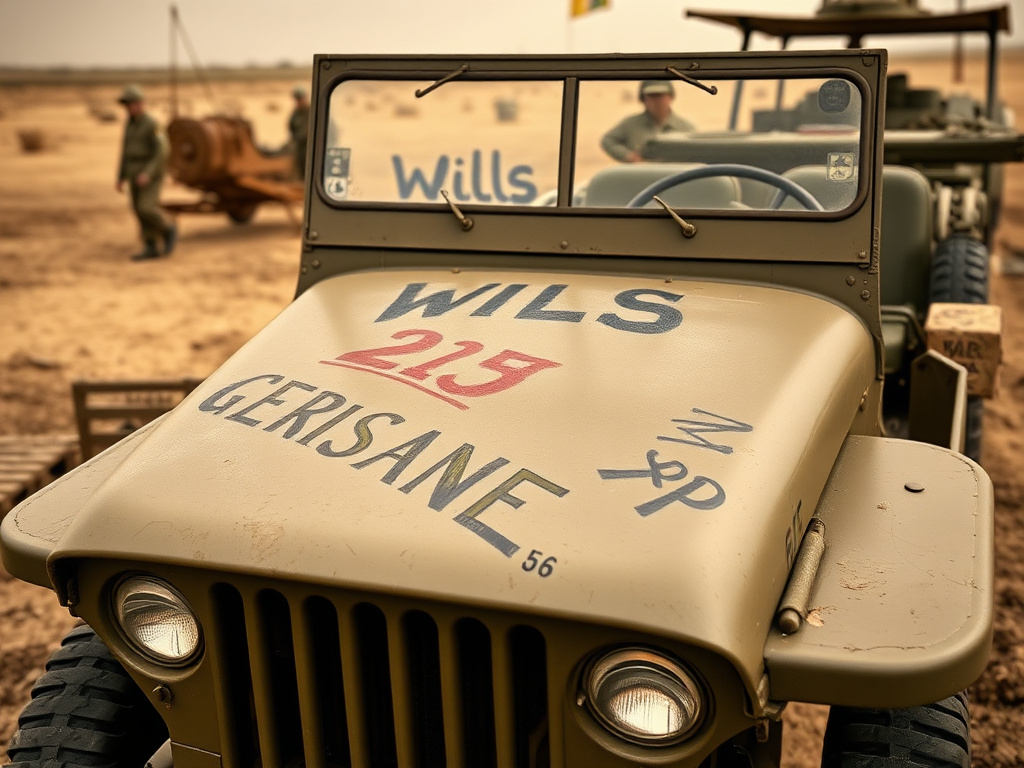
The same community instinct that produces the wave, the duck, and the naming tradition also shows up at scale in a handful of major annual Jeep events. Easter Jeep Safari in Moab, Utah — running since the 1960s — draws thousands of Jeeps for a week of organized trail runs on some of the most technical terrain in the country. Jeep Beach in Daytona brings a very different, more social flavor to the same underlying culture: parades, meetups, and a coastal spin on off-road community. The Bantam Jeep Heritage Festival in Butler, Pennsylvania — the town where the original Jeep prototype was built — leans hardest into the historical thread this whole tradition descends from, with vintage Willys MBs parked next to brand-new Wranglers. None of these events are required attendance for participating in Jeep culture, but they're a good illustration of how far the same small rituals (the wave, the duck, the name) scale once enough owners show up in one place at the same time.
Why These Rituals Matter for New Owners
If you just bought your first Jeep, none of this is mandatory, and nobody is going to check whether you wave correctly or have a duck collection. But understanding the rituals — even if you only ever adopt one of them — is genuinely useful context for why Jeep ownership online and in person feels different from other car communities. A random stranger waving at you on the highway, a rubber duck showing up on your hood at the grocery store, a Facebook group getting excited about your name reveal post — none of it makes sense without knowing these traditions exist and are actively, voluntarily kept alive by ordinary owners, not by Jeep the company.
How Naming Fits Into the Bigger Picture
Step back and the pattern is clear: Jeep ownership culture is built almost entirely out of small, voluntary, community-reinforced rituals — the wave, the duck, the name, and (for off-roaders) the earned trail name. None of them are required. None of them are enforced by the manufacturer. All of them survive because owners keep choosing to participate, generation after generation, because the participation itself is part of what makes owning a Jeep feel different from owning any other car.
If you're new to the community and only planning to adopt one of these traditions, naming your Jeep is the easiest entry point — it's fully self-directed, doesn't require finding a local club or an off-road trail, and takes about ten seconds with a generator if you want a starting point. The wave and the duck will find you naturally once you're on the road.
Learn More
For the deeper, earned version of Jeep naming — the trail name, which belongs to the person rather than the vehicle — read our full trail names explainer. And if you're ready to make your Jeep's name permanent, see our badges and decals guide.